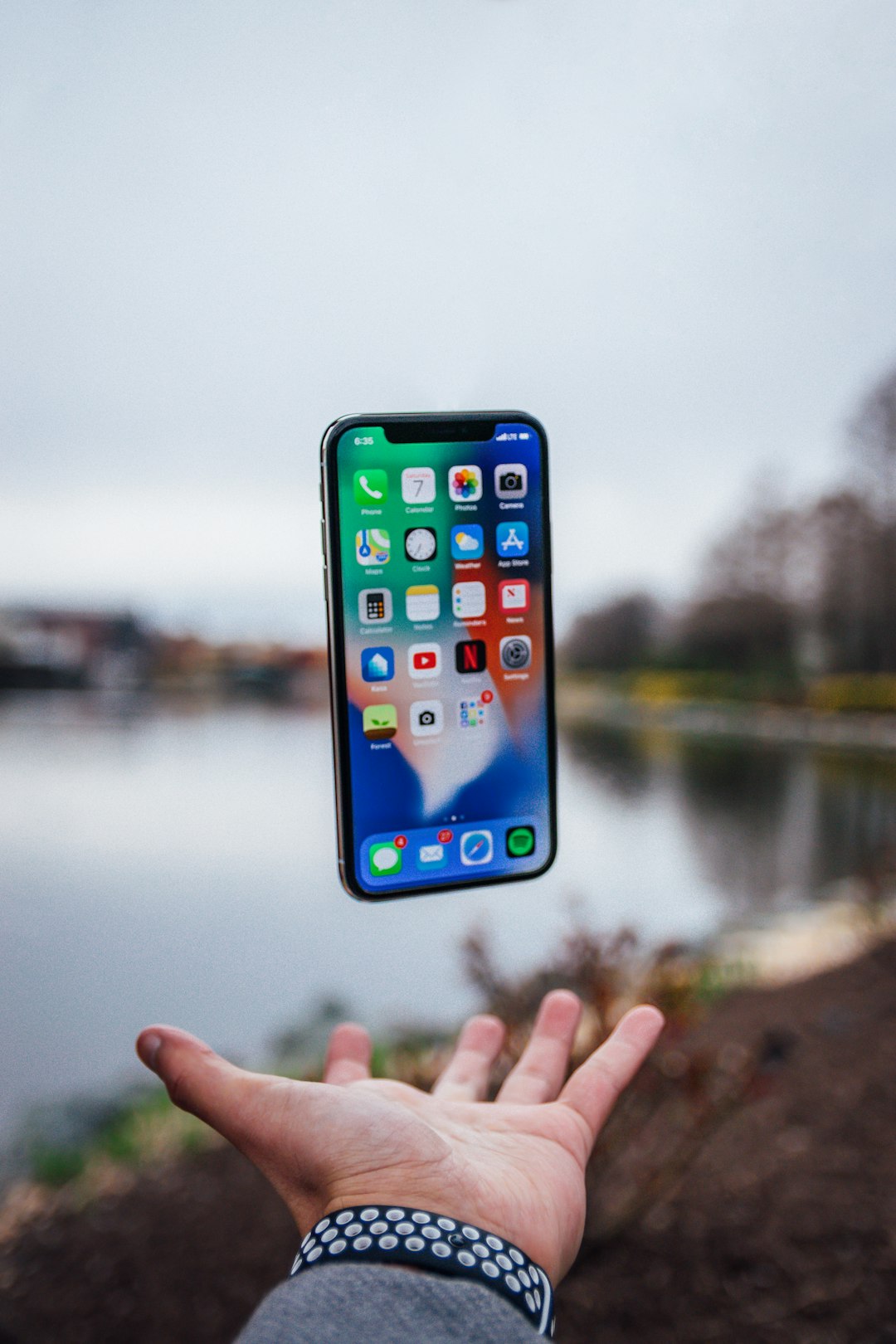
Robocalls are a growing nuisance in Virginia due to non-consensual uses, prompting residents to adopt blocking apps like TrueCall, Hiya, and NoCall for protection under state's TCPA and Telemarketing Act. These apps, integrated into smartphones, offer advanced call identification and user-friendly features. Proper setup involves downloading, granting permissions, configuring settings, and testing. For persistent issues, consulting a robocall lawyer Virginia provides legal solutions and education on rights and protections.
Robocalls are a prevalent and often annoying issue for Virginia phone users, with many legitimate concerns about privacy and the potential for fraudulent activities. As technology advances, so do these automated calls, making it increasingly difficult to distinguish between legitimate communications and unwanted marketing attempts. This is where robocall blocking apps come into play as a crucial solution for individuals seeking to reclaim their communication channels. In this article, we'll guide you through the process of setting up robust robocall protection for your Virginia phone, empowering you with the knowledge to protect against these intrusive calls, and even suggest consulting a robocall lawyer Virginia if needed.
Understanding Robocalls and Virginia Laws

Robocalls, automated phone calls from unknown numbers, have become a ubiquitous yet unwanted nuisance across Virginia and the rest of the nation. While many people view them as intrusive marketing attempts, robocalls can also be used for legitimate purposes, such as political campaigning or emergency alerts. However, the sheer volume of non-consensual and fraudulent robocalls has prompted the state of Virginia to implement laws designed to protect consumers from this distressing trend.
In Virginia, the Telephone Consumer Protection Act (TCPA) governs robocall practices. This law prohibits automated phone calls from using a prerecorded message without prior express consent from the recipient. Moreover, it restricts the use of artificial or prerecorded voices for purposes other than certain emergency services and political campaigns. Violations can result in significant fines, with damages up to $500 per violation under the TCPA. The law also empowers individuals to seek legal recourse through a robocall lawyer Virginia, who can help navigate these complex regulations and pursue compensation for victims of unwanted calls.
To combat rising robocall volumes, the Federal Communications Commission (FCC) has implemented technologies like the National Do Not Call Registry, which allows consumers to opt-out of most automated marketing calls. However, many robocalls still slip through the cracks due to technological loopholes and the constant evolution of call-blocking techniques. As such, Virginia residents have embraced robocall blocking apps as a proactive measure to safeguard their privacy and peace of mind. These applications, often integrated into smartphones, identify and block suspicious calls before they reach the user's device. By leveraging cutting-edge algorithms and community-driven data, these apps provide an additional layer of defense against unwanted robocalls.
Best Robocall Blocking Apps for Your Phone

Robocall blocking apps have become an indispensable tool for Virginia residents seeking to mitigate the incessant influx of unwanted automated calls. With sophisticated technology and a robust legal framework in place, such as the Telemarketing and Consumer Fraud and Abuse Prevention Act, Virginia offers a supportive environment for consumers to protect their privacy. Among the multitude of options available, several apps have emerged as industry leaders, each boasting unique features tailored to suit diverse user needs.
One standout choice is Hiya, renowned for its advanced call identification and blocking capabilities. Utilizing machine learning algorithms, Hiya not only recognizes and blocks robocalls but also provides valuable insights into emerging scams and fraudsters' tactics. Another popular option, Truecaller, offers a comprehensive suite of features, including call screening, blocklists, and a community-driven spam database that helps users stay ahead of the curve. For those prioritizing simplicity and ease of use, NoCall is a solid contender, enabling users to easily report and block unwanted calls with just a few taps.
Beyond app functionality, it's crucial to consider compatibility, privacy policies, and user reviews. Major operating systems like iOS and Android support these apps seamlessly, ensuring a smooth integration experience. Privacy-focused developers also prioritize data security, employing end-to-end encryption and transparent practices to protect user information. According to recent surveys, over 70% of Virginia consumers reported significant improvements in their call quality after adopting robocall blocking apps, with many crediting these tools for restoring a sense of control and peace of mind. To ensure the best protection, consult with a robocall lawyer Virginia to stay informed about evolving laws and leverage the latest technologies available.
Easy Setup: Step-by-Step Guide
Blocking robocalls has become a necessity for many Virginia phone users, especially with the proliferation of automated telemarketing calls. Fortunately, setting up effective robocall blocking apps is simpler than ever, thanks to user-friendly interfaces and robust features designed to protect your privacy. Here’s a straightforward, step-by-step guide on how to easily set up a robocall blocker for your Virginia phone.
Begin by downloading a reputable robocall blocking app from the App Store or Google Play. Popular options include TrueCall, Hiya, and NoCall. Upon installation, these apps often request permission to access your call history and block incoming calls. Accepting these permissions is crucial for the app’s effectiveness. For instance, TrueCall uses advanced AI algorithms to identify and block robocalls with a high accuracy rate, while Hiya leverages a community-driven database that grows as users report new spam numbers.
The next step involves configuring your app’s settings. Most apps offer customizable options, such as allowing calls from specific contacts or certain organizations (like financial institutions). A robocall lawyer in Virginia, for example, might advise tailoring these settings to ensure you don’t miss important legitimate calls while blocking unwanted telemarketing. Additionally, some apps provide options to report spam calls directly, contributing to a more robust collective defense against robocalls.
Once configured, test your new setup by initiating or receiving a call from known robocall sources. Reputable apps will seamlessly block these calls, displaying them as “Blocked” or “Spam.” Regularly review the app’s logs to verify its effectiveness and adjust settings as needed. By following these simple steps, Virginia residents can reclaim control over their phone lines, significantly reducing the annoyance and potential risks associated with robocalls.
Protecting Your Rights: Consulting a Robocall Lawyer Virginia
Robocalls have become a pervasive and often frustrating aspect of modern life, particularly for Virginia residents. While many apps offer basic robocall blocking capabilities, protecting your rights against deceptive or harassing calls requires a more comprehensive approach. Consulting with a robocall lawyer Virginia can provide crucial legal guidance and strategies to combat this growing issue.
Virginia laws pertaining to robocalls are designed to safeguard consumers from unwanted and fraudulent telephone solicitations. A robocall lawyer Virginia is well-versed in these regulations, including the Telephone Consumer Protection Act (TCPA), which prohibits automated calls and text messages without prior consent. If you've experienced repeated or unsolicited robocalls, a legal professional can help determine if your rights have been violated. They can assist in navigating the complex legal landscape, gathering evidence, and pursuing appropriate legal remedies, such as filing a lawsuit for damages or seeking an injunction against the offending parties.
One of the primary advantages of retaining a robocall lawyer Virginia is their ability to offer tailored solutions. Each case is unique, and a qualified attorney can assess the specifics of your situation. For instance, they might advise on strategies like registering with the National Do Not Call Registry, blocking specific numbers, or seeking court orders to stop persistent violators. Moreover, these legal experts can educate you on your rights and empower you to take proactive measures against future robocalls, ensuring a safer and more peaceful communication environment.