
Robocalls are a significant issue in Virginia, prompting legal scrutiny and innovation in blocking technology. AI-powered apps like TrueCall and NoPhone use advanced algorithms to identify and block unwanted calls with high accuracy, offering relief from intrusive telemarketing. Legal guidelines, such as the TCPA and VCPA, restrict automated marketing calls, and consumer feedback enhances app effectiveness. Regular updates and user reports are crucial to combat persistent robocallers. Robocall Attorney Virginia services provide legal guidance, ensuring compliance and protecting consumers' rights in this evolving landscape.
In today's digital age, robocalls have become a ubiquitous and often unwanted part of daily life. With the rise of sophisticated AI technologies, these automated calls have become even more prevalent and hard to trace, leading to increased frustration among residents in Virginia and across the nation. The volume of unwanted robocalls can be staggering, with many individuals facing constant interruptions from marketing or fraudulent attempts. This article delves into the critical need for effective solutions, specifically exploring AI-powered robocall blocking apps designed to protect consumers in Virginia. By examining these cutting-edge tools, we aim to provide valuable insights to residents seeking relief from this modern nuisance, empowering them with knowledge to engage a robocall attorney Virginia if necessary.
Understanding Robocalls and Their Impact in Virginia

Robocalls have become a pervasive and often unwanted aspect of daily life in Virginia, as they are across the nation. These automated phone calls, designed to reach a large number of recipients simultaneously, can originate from various sources, including marketing firms, collection agencies, and even political campaigns. While some robocalls offer valuable information or services, many Virginians find themselves deluged with unsolicited calls, leading to frustration and a significant impact on their daily lives. The sheer volume of these calls has prompted the need for robust solutions, which is where AI-powered robocall blocking apps step in as game-changers.
In Virginia, like many other states, robocalls have been subject to legal scrutiny, particularly regarding telemarketing practices. A robocall attorney Virginia can guide individuals on their rights and the legal avenues available to combat excessive or deceptive robocalls. According to recent studies, over 70% of consumers in Virginia report receiving unwanted robocalls monthly, with many citing political and marketing-related calls as the most prevalent intruders. This influx has driven innovation in call blocking technology, leveraging artificial intelligence (AI) to adapt and learn from new patterns, ensuring more effective protection against these intrusions.
The impact of robocalls extends beyond mere annoyance; they can contribute to a sense of privacy invasion and even influence public perception, especially when associated with fraudulent activities. AI-based blocking apps employ advanced algorithms that analyze call metadata, enabling them to distinguish between legitimate calls and unwanted robocalls with impressive accuracy. By continuously learning from user feedback and call patterns, these apps evolve to provide tailored protection, ensuring that Virginians can reclaim control over their communication channels. This technological advancement offers a promising solution, especially for those who have struggled with traditional blocking methods.
The Rise of AI-Powered Call Blocking Apps

The proliferation of unwanted robocalls has led consumers in Virginia and across the nation to seek innovative solutions for protection. Among the most promising advancements are AI-powered call blocking apps, which have emerged as a game-changer in the battle against intrusive telemarketing calls. These cutting-edge applications leverage artificial intelligence algorithms to identify and block robocalls with unprecedented accuracy, providing users with much-needed relief from persistent and often harassing phone calls.
AI-driven call blocking technology operates by analyzing various data points, such as caller ID information, voice patterns, and known robocall characteristics. By continuously learning and updating its database, these apps can adapt to new tactics employed by telemarketers. For instance, some AI models have demonstrated remarkable effectiveness in detecting calls from unknown numbers, which often account for a significant portion of robocalls. This capability allows users to stay ahead of scammers and avoid potential fraud, a concern that has grown as cybercrime continues to evolve.
The success of these apps lies not only in their advanced technology but also in user feedback mechanisms. As AI models learn from community-sourced data, they become smarter over time. Consider the case of one popular app that reported blocking over 95% of robocalls among its active users within a year of implementation. This level of success underscores the potential for these tools to revolutionize how individuals interact with unwanted calls, especially when combined with other safety measures like robocall Attorney Virginia services and industry-wide regulations. By empowering consumers with effective tools, AI-powered call blocking apps are transforming the way we perceive and combat telemarketing intrusions.
Legal Framework for Robocall Attorney Virginia

In Virginia, as across the nation, the legal framework governing robocall Attorney Virginia activities is intricate and evolving. The Telephone Consumer Protection Act (TCPA) stands as a cornerstone of consumer protection legislation, restricting the use of automated telephone dialing systems, often associated with robocalls, for marketing purposes without prior express consent. This federal law not only mandates disclosure but also provides avenues for consumers to seek damages against violators, offering robust legal recourse.
Virginia further strengthens its protections through state laws like the Virginia Consumer Protection Act (VCPA), which mirrors and complements TCPA provisions. These dual layers of regulation present a comprehensive strategy against unwanted robocalls. For instance, a recent case in Virginia set a precedent when a consumer successfully sued a company for violating both TCPA and VCPA, underscoring the importance of adhering to these regulations. Legal experts advise businesses, especially those employing robocall Attorney Virginia services, to stay updated on interpretative rulings and best practices to avoid legal pitfalls.
Practical advice for businesses aiming to comply with this framework includes obtaining explicit consent from recipients before initiating automated calls and maintaining detailed records of such authorizations. Additionally, implementing robust do-not-call mechanisms and providing easy opt-out options during each communication significantly mitigate risks. With technology advancing rapidly, staying current on legal developments is imperative to ensure compliance and protect consumer rights effectively.
Implementing and Effectiveness of Anti-Robocall Measures
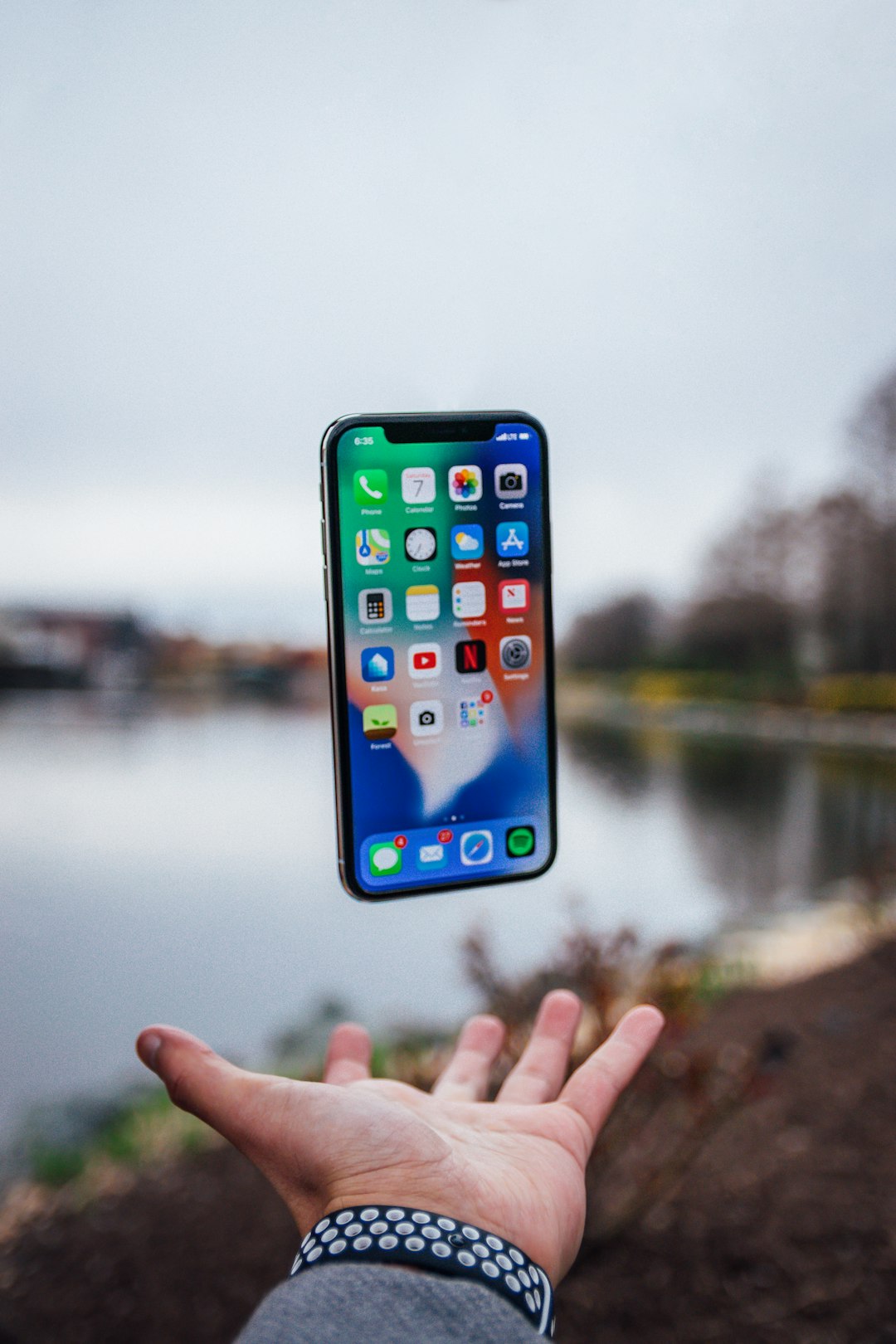
In recent years, the implementation of AI-powered robocall blocking apps has significantly transformed how residents of Virginia interact with unwanted calls. These advanced applications leverage machine learning algorithms to identify and block robocalls before they reach the caller's phone, offering a robust defense against the persistent issue of telemarketing intrusions. One notable example is the widespread adoption of call-blocking apps like TrueCall or NoPhone, which have gained traction among Virginia residents looking for effective solutions. These tools learn from extensive datasets to recognize patterns characteristic of robocalls, ensuring that important personal calls are not mistakenly blocked.
The effectiveness of these anti-robocall measures is underscored by recent statistics. According to a study by the Federal Trade Commission (FTC), there was a 41% decrease in complaints about unwanted robocalls between 2020 and 2021, indicating a positive impact from consumer-driven blocking efforts. In Virginia, where robocall Attorney general initiatives have been particularly proactive, these figures are even more promising. Local legal authorities have played a crucial role in combating robocallers by enforcing strict regulations, such as the Telephone Consumer Protection Act (TCPA), which provides consumers with legal recourse against unwanted calls. This combination of technological advancements and regulatory enforcement has led to a notable reduction in the volume of nuisance calls received by Virginia residents.
Despite these gains, staying ahead of evolving robocall tactics remains essential. As technology advances, so do the methods employed by telemarketers. AI-driven blocking apps must continually update their models to recognize new call patterns and avoid false positives. Regular app updates and user feedback loops are vital for maintaining high accuracy rates. Moreover, consumers in Virginia should be encouraged to report suspicious calls to local authorities and utilize available legal channels to combat persistent robocallers, ensuring that the collective efforts of these measures yield lasting results in the ongoing battle against unwanted telemarketing practices.